

Essential First Aid Skills Everyone Should Know
- dustinmcleod
- Dec 24, 2025
- 4 min read
In emergencies, knowing how to respond can mean the difference between life and death. First aid skills are not just for medical professionals; they are essential for everyone. Whether you are at home, at work, or out in public, having a basic understanding of first aid can empower you to act quickly and effectively in critical situations. This blog post will cover essential first aid skills that everyone should know, providing practical information and examples to help you feel prepared.

Understanding First Aid
First aid is the immediate assistance provided to someone suffering from an injury or illness. It aims to preserve life, prevent the condition from worsening, and promote recovery. Here are some key principles of first aid:
Assess the situation: Before providing aid, ensure the scene is safe for both you and the victim.
Call for help: If the situation is serious, call emergency services immediately.
Provide care: Administer appropriate first aid based on the victim's condition.
Understanding these principles can help you act confidently and effectively when needed.
Basic First Aid Skills
CPR (Cardiopulmonary Resuscitation)
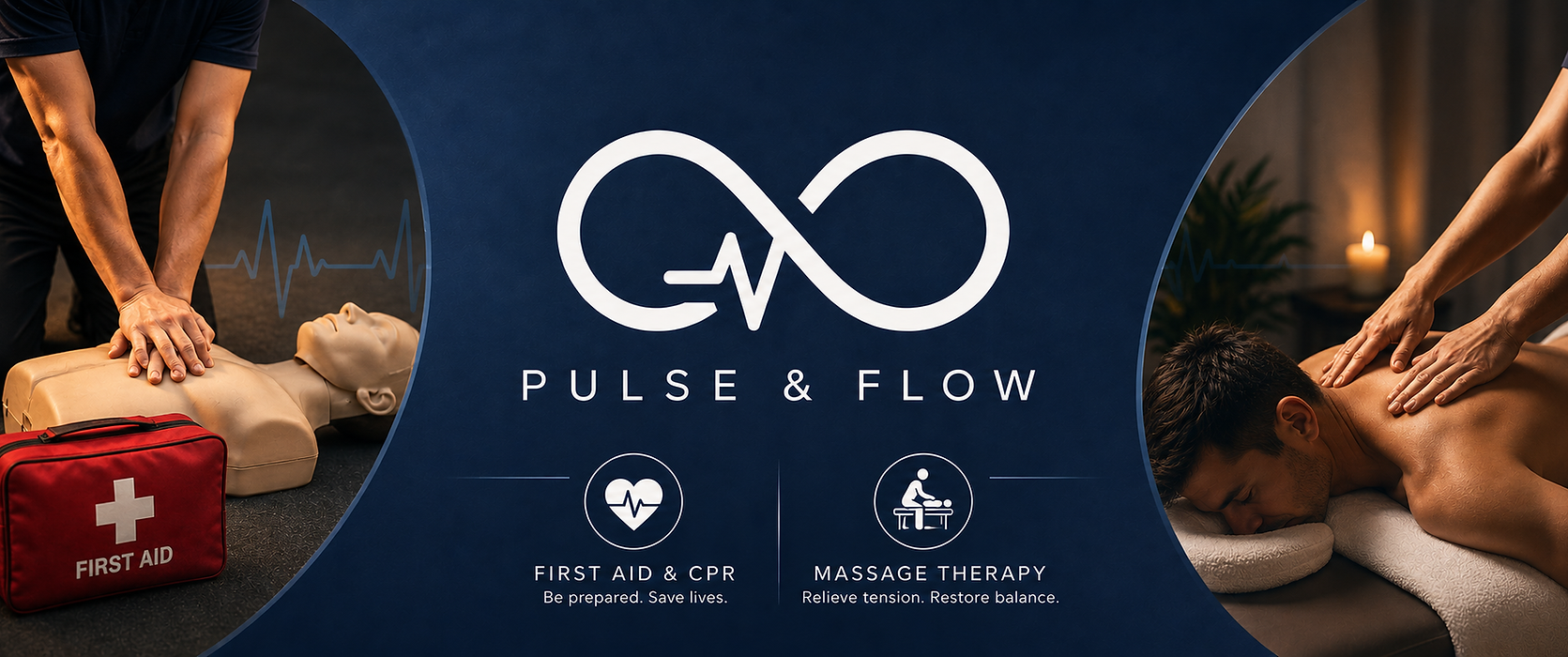
CPR is a lifesaving technique used in emergencies when someone's heartbeat or breathing has stopped. It combines chest compressions and rescue breaths to maintain blood flow and oxygenation to vital organs.
Steps to perform CPR:
Check responsiveness: Tap the person and shout to see if they respond.
Call for help: If unresponsive, call emergency services or ask someone else to do so.
Position the person: Lay them flat on their back on a firm surface.
Start chest compressions: Place your hands, one on top of the other, in the center of the chest. Push down hard and fast at a rate of 100-120 compressions per minute.
Give rescue breaths: After 30 compressions, give 2 rescue breaths by tilting the head back, pinching the nose, and sealing your lips over theirs.
Note: If you are untrained or uncomfortable giving rescue breaths, continue with chest compressions only.
Choking Relief
Choking occurs when an object blocks the airway, preventing breathing. Knowing how to help someone who is choking can save their life.
For adults and children over one year:
Encourage coughing: If the person can cough, encourage them to continue.
Perform the Heimlich maneuver: Stand behind the person, wrap your arms around their waist, and make a fist just above their navel. Grasp your fist with your other hand and thrust inward and upward until the object is expelled.
For infants under one year:
Position the infant: Hold the infant face down on your forearm, supporting their head.
Give back blows: Use the heel of your hand to deliver five firm back blows between the shoulder blades.
Perform chest thrusts: If the object does not come out, turn the infant face up and give five chest thrusts using two fingers in the center of the chest.
Wound Care
Proper wound care is crucial to prevent infection and promote healing. Here’s how to care for a minor wound:
Wash your hands: Always start by washing your hands to prevent infection.
Stop the bleeding: Apply gentle pressure with a clean cloth or bandage until the bleeding stops.
Clean the wound: Rinse the wound under clean water and gently clean around it with soap.
Apply a dressing: Cover the wound with a sterile bandage or dressing to protect it from dirt and bacteria.
Managing Burns
Burns can result from heat, chemicals, or electricity. Knowing how to treat them can reduce pain and prevent complications.
For minor burns:
Cool the burn: Place the burn under cool running water for at least 10 minutes.
Cover the burn: Use a sterile, non-stick dressing to cover the burn.
Avoid ice: Do not apply ice directly to the burn, as it can cause further damage.
For severe burns:
Call for emergency help: Severe burns require professional medical attention.
Do not remove clothing: If clothing is stuck to the burn, do not attempt to remove it.
Cover the burn: Use a clean, dry cloth to cover the burn until help arrives.
Recognizing and Responding to Shock
Shock is a life-threatening condition that occurs when the body is not getting enough blood flow. It can result from severe injury, blood loss, or dehydration.
Signs of shock include:
Rapid heartbeat
Weak pulse
Confusion or anxiety
Pale, clammy skin
What to do:
Call for help: Always seek emergency assistance.
Lay the person down: If possible, lay the person flat and elevate their legs to improve blood flow.
Keep them warm: Cover the person with a blanket to prevent hypothermia.
First Aid Kits
Having a well-stocked first aid kit is essential for handling emergencies. Here are some items you should include:
Adhesive bandages in various sizes
Sterile gauze pads and adhesive tape
Antiseptic wipes or solution
Tweezers and scissors
Disposable gloves
Pain relievers (e.g., ibuprofen or acetaminophen)
Instant cold packs
A CPR face shield or mask
Make sure to regularly check your first aid kit and replace any expired items.
First Aid Training
While knowing basic first aid skills is crucial, formal training can enhance your confidence and effectiveness in emergencies. Consider enrolling in a first aid and CPR course offered by organizations like the Red Cross or local community centers. These courses often provide hands-on practice and valuable knowledge.
Conclusion
Being prepared with essential first aid skills can empower you to act decisively in emergencies. From performing CPR to managing burns and wounds, these skills can save lives. Remember, the key is to stay calm, assess the situation, and provide appropriate care. Take the next step by considering first aid training to further enhance your skills and confidence. Your ability to help others in need can make a significant difference in critical moments.


Comments